Navigating Cross-Border Transaction Protocols in Virtual Gaming Ecosystems
Eden Otto · Aug 22, 2026

Navigating Cross-Border Transaction Protocols in Virtual Gaming Ecosystems
Virtual gaming ecosystems have expanded rapidly in recent years and now involve players from multiple jurisdictions who exchange real-world currency for in-game assets or virtual currencies on a daily basis. These transactions cross national borders regularly and require adherence to diverse payment regulations that differ by region and by the type of asset involved.
Regulatory Landscape and Compliance Requirements
Payment service providers operating within these ecosystems must follow anti-money laundering directives that vary from one continent to another while also satisfying consumer protection statutes in each market they serve. Research from the Organisation for Economic Co-operation and Development shows that digital payment volumes in interactive entertainment grew by more than 18 percent between 2023 and 2025 with the largest increases occurring in cross-border segments. Observers note that platforms must verify user identities through know-your-customer procedures that align with both the strictest and the most lenient rules they encounter which creates layered compliance obligations. Data from the European Central Bank indicates that real-time settlement systems now handle a substantial share of in-game purchases yet still require reconciliation processes that respect currency controls in certain Asian and Latin American jurisdictions.
Those who manage these platforms often implement automated screening tools that flag transactions exceeding thresholds set by local authorities and then route them for manual review when necessary. Experts have observed that such systems reduce the risk of regulatory penalties although they add latency to the player experience when additional documentation is requested.
Technical Standards and Protocol Integration
Technical protocols used for these transfers rely on standardized messaging formats such as ISO 20022 which supports richer data fields than older systems and enables clearer tracking of funds across borders. Gaming companies integrate these protocols with virtual wallet services that convert between fiat currencies and proprietary tokens while maintaining audit trails that satisfy auditors from multiple countries. Figures from the Australian Competition and Consumer Commission reveal that disputes involving failed cross-border payments in digital entertainment declined after major platforms adopted enhanced error-handling routines that automatically retry transactions through alternative rails when the first attempt fails.
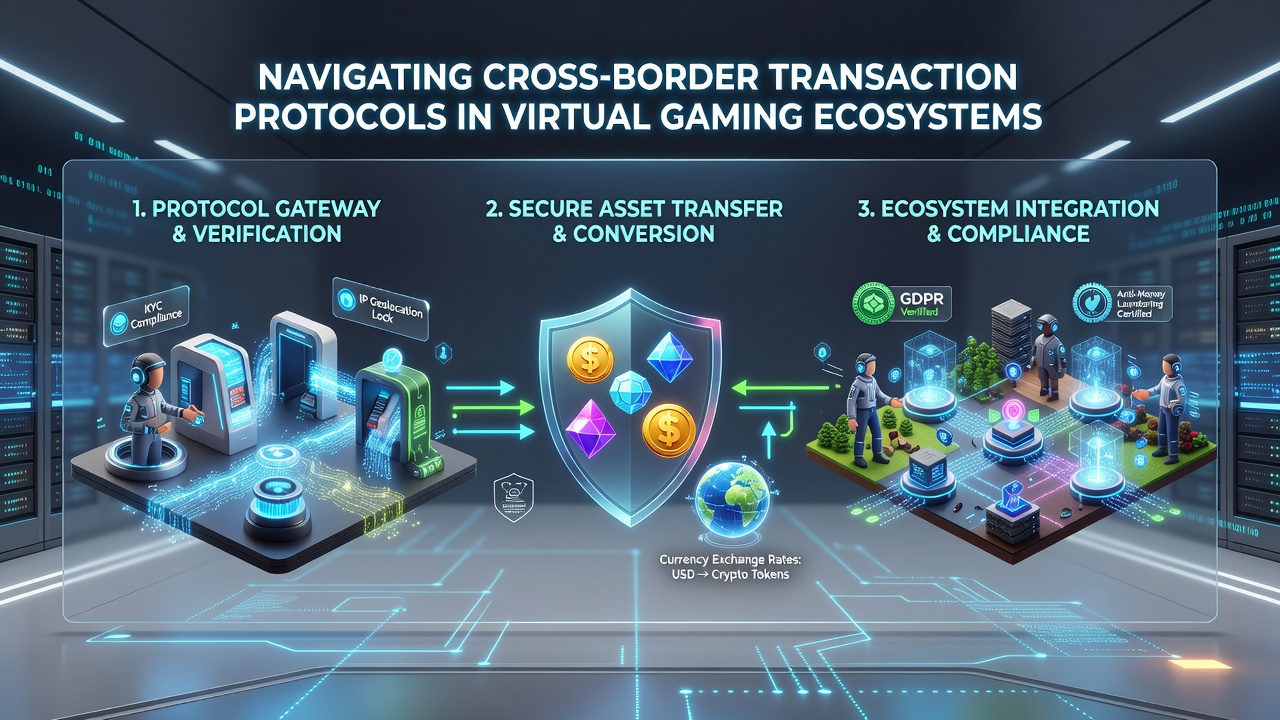
Encryption standards have also evolved to meet the demands of high-frequency microtransactions common in free-to-play titles. Multi-party computation techniques now allow verification of funds without exposing full account details to every intermediary in the chain which addresses privacy concerns raised by data protection frameworks in the European Union and Canada. Platforms that adopted these methods early reported fewer incidents of account compromise according to industry-wide security assessments published in 2025.
Regional Variations and Emerging Rules
August 2026 marks the scheduled implementation date for updated digital services legislation in several European markets that will require additional transparency around token valuations and redemption processes. Gaming operators have already begun adjusting their transaction interfaces to display exchange rates and fees in real time to meet the forthcoming disclosure requirements. In parallel regulators in North America continue to refine rules around the classification of virtual items as either goods or services which affects tax treatment and refund obligations during cross-border disputes.
Payment processors that serve multiple regions maintain separate compliance teams for each major market yet still rely on centralized monitoring dashboards that aggregate alerts from every jurisdiction. This hybrid model allows rapid response when a new restriction appears in one country while preserving operational consistency elsewhere. Those who have studied these arrangements note that the most successful implementations combine automated rule engines with human oversight that can interpret ambiguous regulatory language.
Conclusion
Cross-border transaction protocols in virtual gaming ecosystems continue to evolve as new technologies and regulations intersect. Platforms that maintain flexible technical architectures and up-to-date compliance mappings are positioned to handle the increasing volume of international activity while meeting obligations across diverse legal environments. Continued monitoring of policy developments remains essential for operators seeking to sustain seamless player experiences without interruption.